
Ledger.com/Start® | Getting started®™ — Ledger Support
Discover Ledger.com/start for helpful Ledger device setup guidance, including hardware connection, wallet initialization, security information, and essential steps for beginning digital asset management.
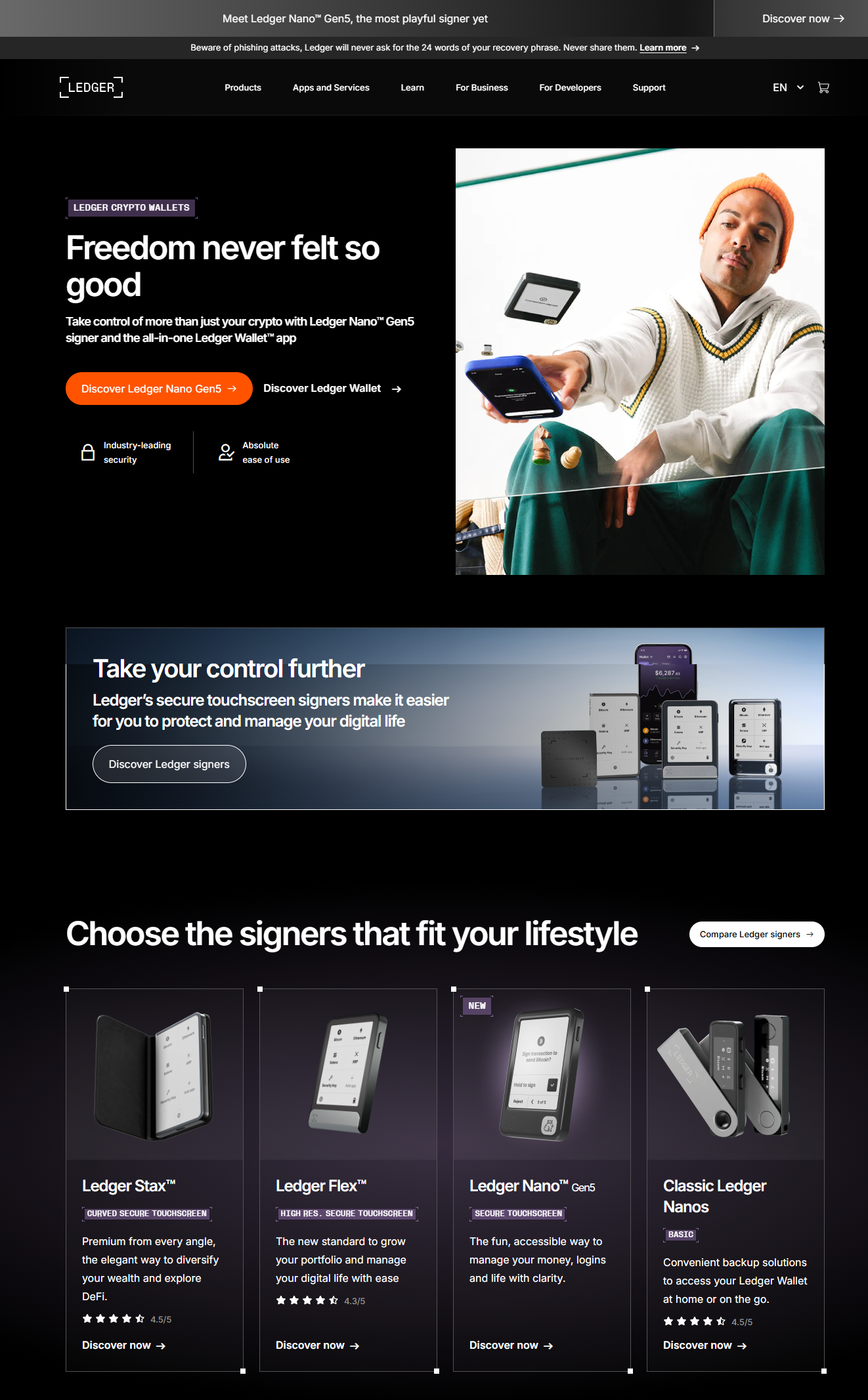
Ledger.com/start: Complete Beginner Guide for Ledger Wallet Setup
A secure cryptocurrency experience begins with proper wallet setup. Hardware wallets are designed to give users more control over their digital assets, but understanding the setup process is essential before managing funds. Ledger.com/start provides a starting point for users who want to configure a Ledger hardware wallet and explore the features available through the Ledger ecosystem.
For beginners, following a clear setup process can make the experience easier while helping them understand important security practices.
What Is Ledger.com/start Used For?
Ledger.com/start is the official setup resource for Ledger hardware wallet users. It helps users begin the process of connecting their device, accessing wallet software, and learning the necessary steps for managing supported cryptocurrencies.
The setup page is designed to guide users through the early stages of using a Ledger device. From preparing the hardware wallet to installing the required software, users can follow instructions that match their device and setup requirements.
Starting from the official platform is an important step toward avoiding unreliable downloads and misleading information.
The Importance of a Safe Wallet Setup
Cryptocurrency security depends on both technology and user awareness. Before using any wallet application, users should confirm that they are accessing a legitimate source.
Fake wallet websites and imitation applications are common risks in the crypto space. These fraudulent services may attempt to collect passwords, recovery phrases, or other sensitive details.
Using Ledger.com/start helps users begin with trusted setup resources. Always check the website address carefully and avoid downloading wallet software from unknown platforms.
Prepare Your Ledger Device
Before beginning the setup process, keep your Ledger hardware wallet ready along with the necessary connection accessories. Use a secure computer or supported mobile device when installing wallet software.
After opening Ledger.com/start, select the instructions that apply to your Ledger device. The setup experience may differ depending on the hardware model and software version.
Follow each step carefully, especially when the device displays security-related instructions. Avoid skipping steps or relying only on third-party guides that may contain outdated information.
Install Ledger Wallet Application
Ledger provides software that allows users to interact with their hardware wallets. The application previously known as Ledger Live is now referred to as Ledger Wallet.
Through the application, users can manage supported accounts, check cryptocurrency balances, view transaction history, and access available wallet features.
The software works together with the Ledger hardware device. While the application provides the interface, the physical wallet remains an important part of confirming sensitive actions.
Setting Up Your Wallet Security
During the setup process, users may be guided through creating a PIN and generating recovery information. These steps are important because they help protect access to the wallet.
Choose a private PIN and avoid sharing it with anyone. Keep all wallet-related information confidential and store important backup details in a secure place.
The physical Ledger device should always remain under the owner’s control during setup and regular use.
Understanding the Recovery Phrase
A recovery phrase is a critical part of a self-custody cryptocurrency wallet. It can allow wallet restoration if the original device is lost, damaged, or replaced.
Write down the recovery phrase exactly as instructed during setup. Store the backup offline in a safe location.
Never enter recovery words into random websites, online forms, or messages. Be cautious of anyone requesting this information, even if they claim to provide technical assistance.
Managing Digital Assets Through Ledger Wallet
After completing the setup, users can use Ledger Wallet to manage supported cryptocurrencies. The application provides tools for viewing accounts, tracking balances, and reviewing transaction activity.
When receiving funds, confirm that the wallet address matches the correct cryptocurrency network. When sending assets, carefully review the recipient address, amount, and transaction details before approving.
Taking extra time to verify information can help prevent avoidable transaction errors.
Protect Yourself From Crypto Scams
Scammers often target cryptocurrency users through fake support messages, phishing websites, and fraudulent applications. These scams may appear professional and convincing.
Never share your recovery phrase, PIN, or private wallet information with another person. Be careful with unexpected messages that create urgency or ask you to verify your wallet.
If you need assistance, access Ledger resources directly rather than following unknown links.
Keep Your Ledger Software Updated
Regular updates can improve compatibility, performance, and access to new wallet features. Always download software updates from official Ledger sources.
Avoid installing wallet files from third-party websites or unofficial sources. Before updating, confirm that you are using the genuine Ledger application.
Conclusion
Ledger.com/start provides a reliable beginning for users setting up a Ledger hardware wallet. By following official instructions, installing trusted software, protecting recovery information, and carefully reviewing transactions, users can create a stronger foundation for cryptocurrency management.
The security of a hardware wallet depends not only on the device but also on responsible user behavior. With careful setup and smart security habits, Ledger Wallet can provide a convenient way to manage supported digital assets while maintaining greater control over personal funds.
Updated about 7 hours ago