
Ledger.com/Start® | Getting started®™ — Ledger Support
Start at Ledger.com/start to configure your Ledger hardware wallet, connect the device, follow setup instructions, review essential security practices, and prepare for managing crypto assets.
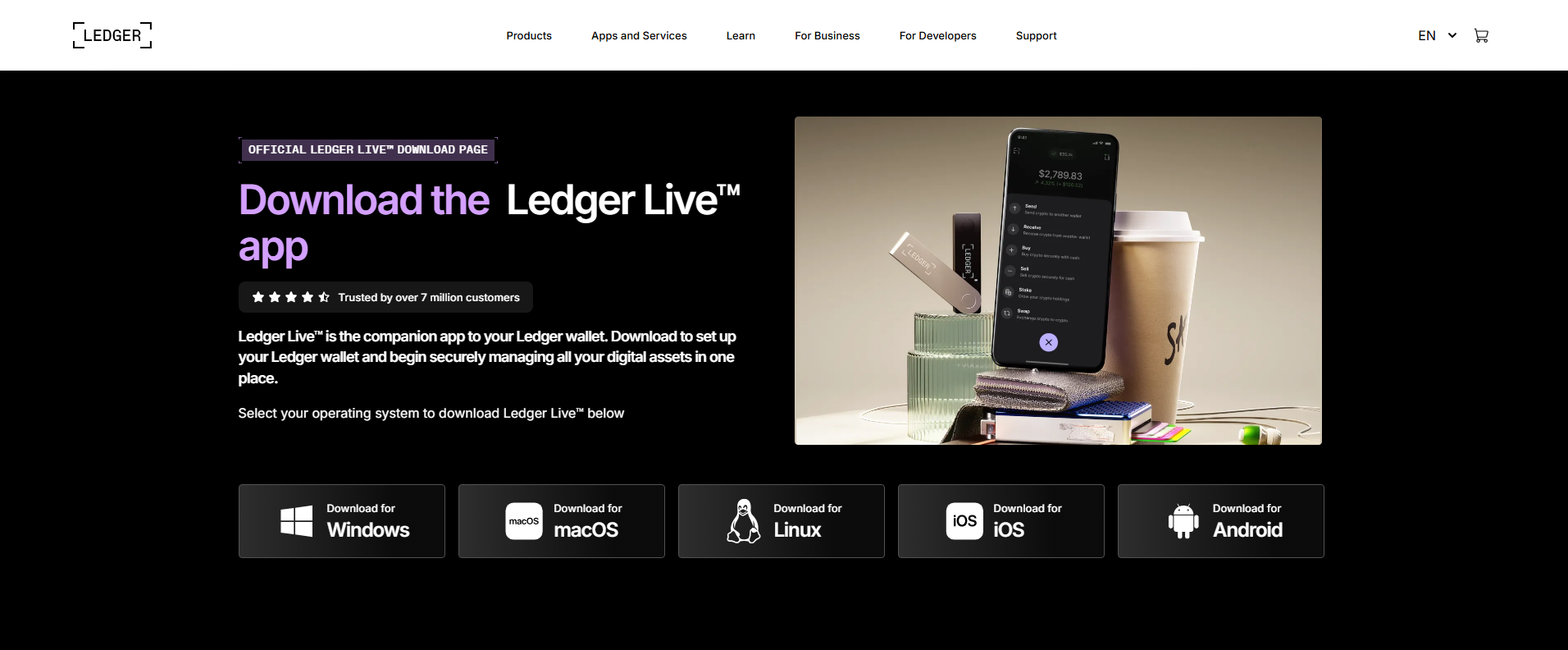
Ledger.com/start: A Simple Guide to Setting Up Your Ledger Wallet
Getting started with a hardware wallet is an important step for anyone who wants to manage cryptocurrency with greater control. For Ledger users, Ledger.com/start provides a starting point for setting up a compatible Ledger device and accessing the software needed for wallet management. Following the official setup process carefully can help users understand their device, configure their wallet, and develop safer habits from the beginning.
What Is Ledger.com/start?
Ledger.com/start is Ledger’s official setup destination for users beginning with a Ledger hardware wallet. It guides users toward the resources needed to prepare their device and begin managing supported digital assets.
For new users, having a clear starting point can make the setup process less confusing. Rather than downloading applications from random websites or following unverified instructions, users can begin with Ledger’s official resources.
Why the Official Website Matters
Security begins with using trustworthy sources. Cryptocurrency users can encounter fake websites, misleading advertisements, and phishing pages that imitate legitimate wallet companies.
Before downloading software or entering any information, carefully check that the website address is Ledger.com/start. Avoid relying on unexpected links received through email, messaging applications, or social media.
Using the official source can reduce the risk of interacting with unauthorized wallet software.
Prepare Your Ledger Device
After reaching Ledger.com/start, follow the instructions provided for your specific Ledger hardware wallet. Connect the device as directed and carefully read the information displayed during the setup process.
The exact steps can vary according to the device model and software version. Setup may include preparing the hardware, configuring the wallet, installing required software, and completing security-related instructions.
Do not rush through these steps. A careful setup can make future wallet management easier.
Using Ledger Wallet Software
Ledger’s wallet software provides an interface for managing supported cryptocurrency accounts and interacting with the connected hardware device. The application was formerly known as Ledger Live and is now branded as Ledger Wallet.
Through the software, users can review account information, monitor balances, examine transaction history, and perform supported wallet activities. The Ledger device remains important for approving sensitive operations.
Protect Your Recovery Phrase
During wallet initialization, users may receive a Secret Recovery Phrase. This information is extremely important because it can be used to restore access to a wallet under appropriate circumstances.
Write the recovery phrase down exactly as instructed and keep it somewhere secure and private. Never share it with another person, including someone claiming to be from Ledger support.
Do not photograph the phrase or enter it into websites, forms, or messages simply because someone requests it.
Adding and Managing Accounts
After the initial setup, users can add supported cryptocurrency accounts through the Ledger software. Account information can make it easier to monitor balances and review previous transactions.
When receiving cryptocurrency, carefully verify the receiving address before sharing it. When sending assets, review the recipient address, amount, network, and applicable transaction fee before approving the transaction.
Taking time to check these details can help reduce avoidable mistakes.
Review Transactions Before Confirming
Blockchain transactions can be difficult or impossible to reverse after confirmation. For this reason, every transaction should be reviewed carefully before signing.
Your Ledger hardware wallet can display important transaction information for confirmation. Compare the details on the device with what you intended to send. If something appears different or unexpected, do not approve the transaction until you understand the discrepancy.
Avoid Common Security Mistakes
New Ledger users should be particularly cautious about phishing attempts. Fake websites and messages may claim that a wallet requires verification, recovery, or an urgent security update.
Legitimate support should not ask you to reveal your Secret Recovery Phrase. Treat any request for this information as a serious warning.
Also avoid installing Ledger software from unofficial websites or links supplied by unknown sources.
Keep Your Software Updated
Keeping your Ledger software and hardware environment updated can help maintain compatibility and provide access to current improvements. Always obtain updates through official Ledger resources.
Before performing important wallet operations, verify that you are using the legitimate application and that your Ledger device is connected correctly.
Conclusion
Ledger.com/start provides a useful starting point for users preparing a Ledger hardware wallet. Following the official setup instructions can help users understand their device and establish a structured approach to cryptocurrency management.
After setup, Ledger’s wallet software can provide a convenient interface for monitoring accounts, reviewing activity, and managing supported digital assets. Protecting the Secret Recovery Phrase, verifying transaction details, using official software, and staying alert to phishing attempts are equally important.
A secure wallet experience begins with careful setup and continues with responsible everyday habits.
Updated about 6 hours ago